
An irrigation system needs to supply water when crops require it. Storage reservoirs connect the capacity of the source with the farm’s irrigation schedule. Their role should be defined before choosing dimensions or starting excavation.
Storage from boreholes or a balancing reservoir?
In systems supplied by boreholes, water can be collected over a longer period and used during a shorter irrigation window, at a flow rate higher than the source can deliver at that moment. After use, storage is replenished before the next irrigation cycle. Sizing must account for the sustainable yield of the boreholes, the irrigated area, application depths and operating scenarios.
In other layouts, the reservoir mainly acts as a balancing buffer: it receives water from a surface source, such as a river or canal, and provides a volume from which the pumping station feeds the pressurised network. Here too, inflow, consumption and possible interruptions to the source must be coordinated.
Volume is calculated around operation
Usable capacity follows from the water balance: how much enters, how much is consumed and over what period. The irrigation schedule, equipment operating simultaneously and the time needed to replenish storage all matter. The design also accounts for losses, operating levels and water that cannot actually be drawn down.
An undersized reservoir can interrupt irrigation; an oversized one can tie up money and land unnecessarily.
The ground investigation is the starting point
The construction solution starts with understanding the ground. A geotechnical investigation provides information about soil types and layers, groundwater and the properties of materials that may be used as fill.
This information informs site selection and the design of slopes, embankments and compaction. Ground that looks suitable at the surface may conceal weak layers or conditions that change construction requirements and cost.
From excavation to a watertight reservoir
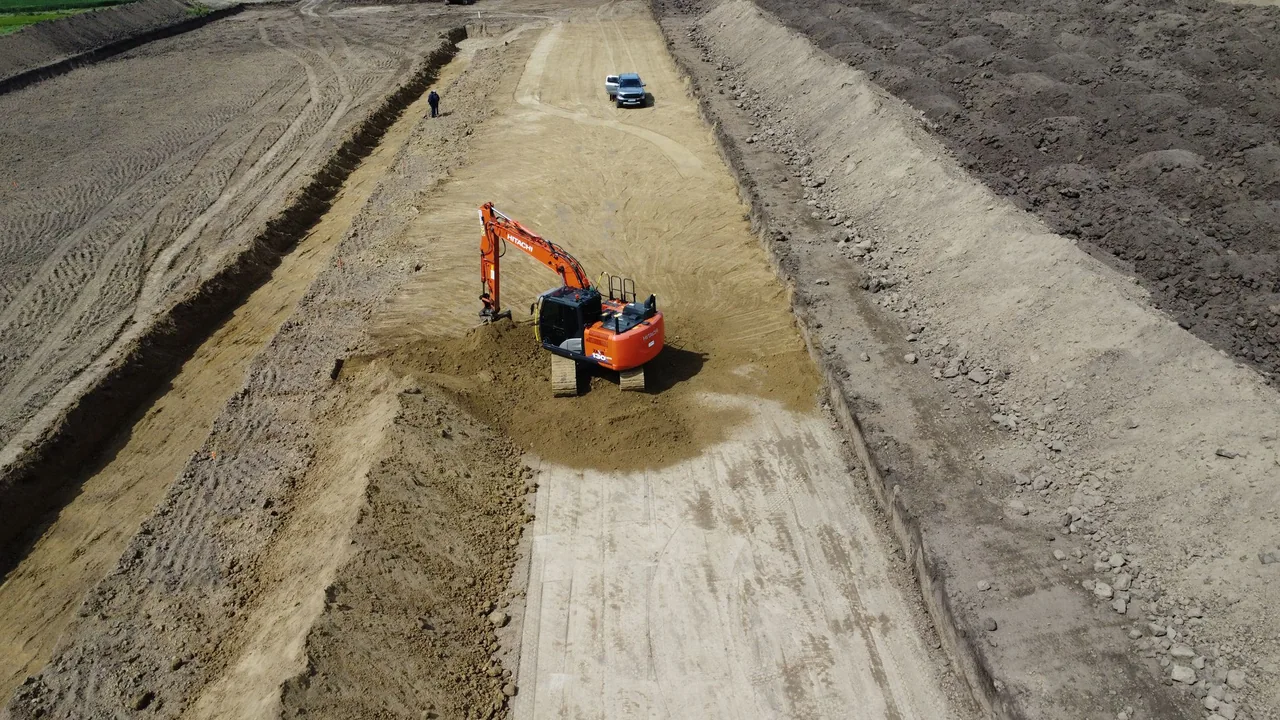
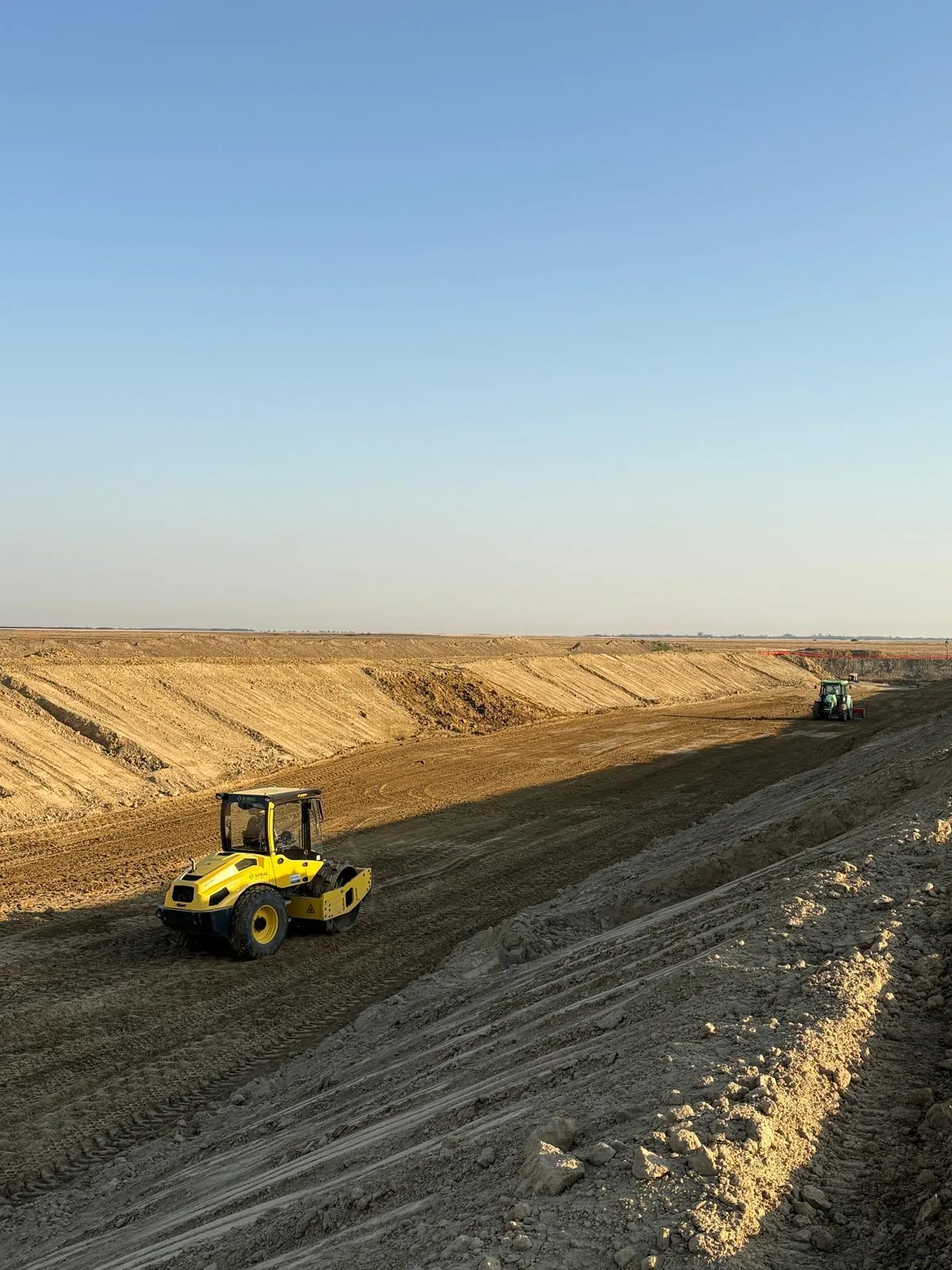
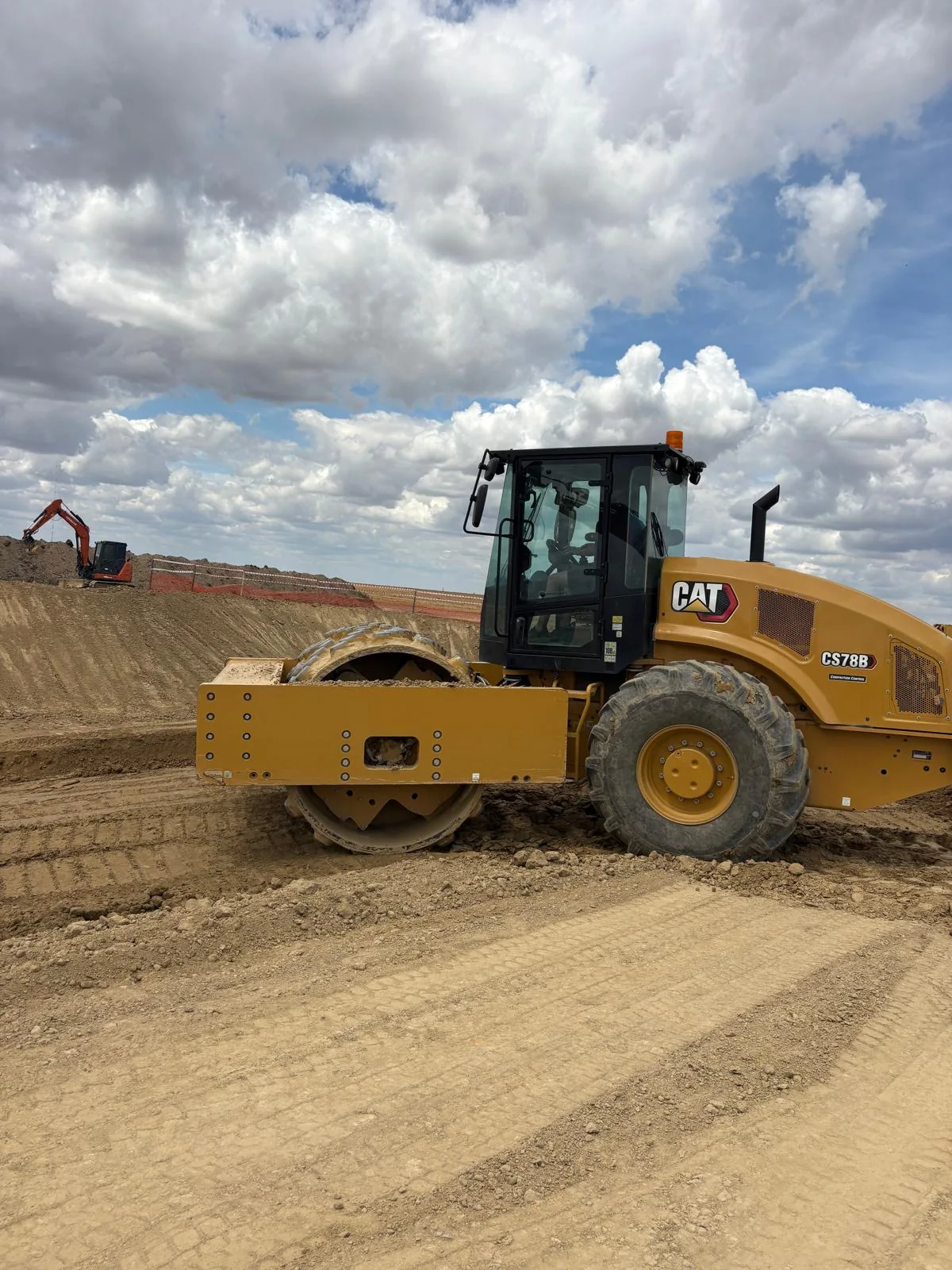
Construction may include excavation, transporting and reusing suitable soil, building embankments from fill compacted in layers, shaping slopes and preparing the surface for lining.
Even clay soil with low permeability does not, on its own, guarantee a watertight reservoir. Cracks, variations in the soil and construction methods can allow leakage. An HDPE geomembrane is a lining solution whose specification and detailing are determined for each project.
Workmanship depends on the whole system: properly prepared ground, membrane protection, anchoring, pipe penetrations, welds and joint testing. A membrane does not replace the need for stable ground and embankments.
Lining by ReserTec
Since 2026, we have also offered lining works with our group’s own teams through ReserTec, our brand specialising in HDPE waterproofing. We use Naue membranes manufactured in Germany and welding equipment from the Swiss brand BAK to make the joints.
This allows us to coordinate earthworks, surface preparation and lining from the construction planning stage.