
An investment project starts with an objective, a budget and the confidence that what appears in the documentation can be delivered under the agreed conditions. In our experience, difficulties arise when design and construction are treated separately and the link between the technical solution and the actual cost of the works is examined too late.
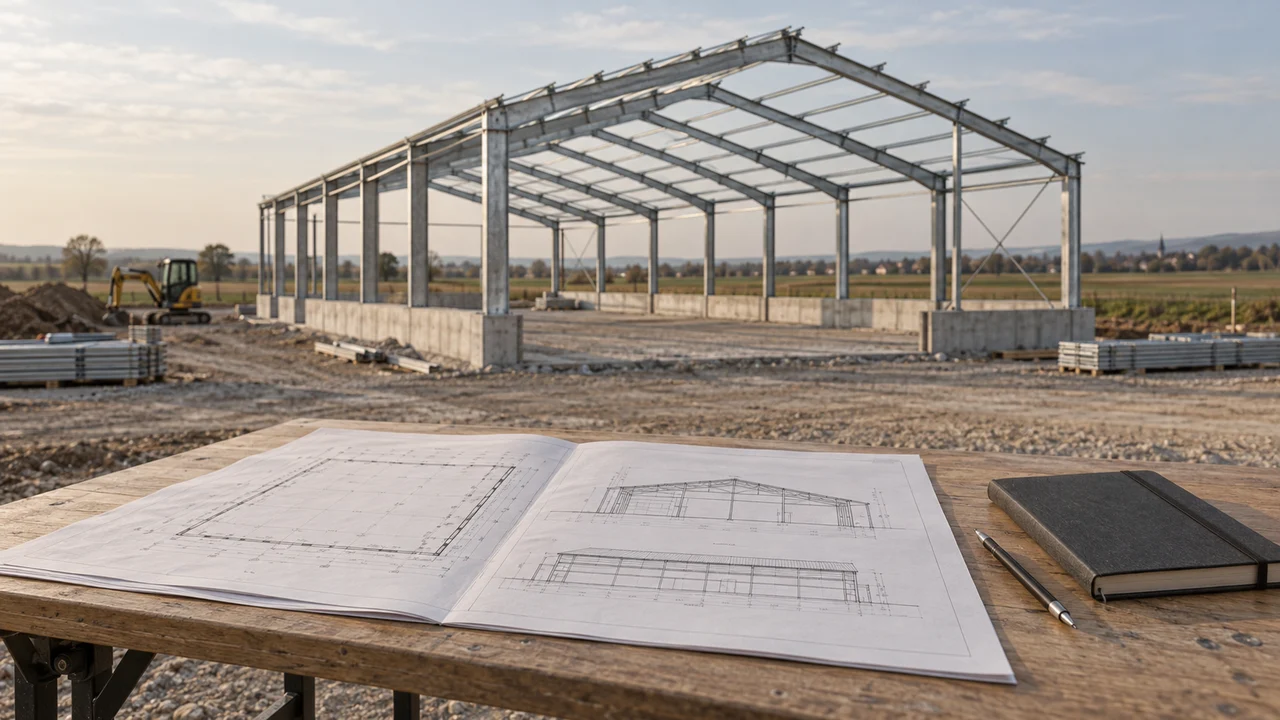
When gaps in the design reach the client's desk
We have encountered projects where, after construction began, missing elements, insufficient quantities or necessary works omitted from the budget became apparent.
In such situations, we have had to approach the client with lists of additional works. These are difficult conversations. For the client, the investment had already been calculated, approved and, in some cases, financed. The differences meant additional contributions from their own funds, pressure on cash availability and sometimes the postponement of certain stages.
The frustration is understandable: people expect a functioning investment within the budget they have committed to.
Construction experience matters from the design stage
A technical solution must also be assessed in terms of how it will be built. Quantities, material availability, machinery access, site organisation and the sequence of works all matter. Each affects the cost and duration of the investment.
A seemingly minor detail on a drawing can involve difficult work, specialised equipment or significant costs on site. This is why practical knowledge of construction costs must inform design decisions.
The question is simple: how do we build this solution, what is its total cost, and does it fit the client's resources?
What an integrated approach brings
By coordinating design and construction from the outset, technical options can be compared alongside the budget and the implementation approach.
This clarifies the scope of the investment, the interfaces between infrastructure and equipment, the costs to allow for and what can be delivered in phases. Where the budget is limited, the stages are planned so that today's works support tomorrow's development.
A single partner coordinating these components gives the client a clear point of accountability. Changes and their implications can be discussed before costs are committed, and known risks can be included in the planning.
How we approach this at Beavers
Our site experience has shaped this conviction: design, budget and construction must be considered together.
At Beavers, we aim for the proposed solution to meet the investment's objective, be built efficiently and take the client's resources into account. We ask the difficult questions early, while there is still time to compare and adjust.